That tight feeling in your chest does not always wait for a convenient time. Anxiety can show up before work, during school drop-off, late at night, or right when you are trying to hold everything together for your family. For many people, teletherapy for anxiety treatment has made it easier to get real support without adding one more stressful task to the day.
When anxiety starts affecting sleep, concentration, relationships, or your ability to enjoy normal routines, professional care can help. And for many adults, couples, and families, meeting with a licensed therapist online feels more doable than trying to rearrange work hours, childcare, or transportation just to make it into an office. That convenience matters, but what matters more is whether the care is meaningful, personal, and effective.
How teletherapy for anxiety treatment works
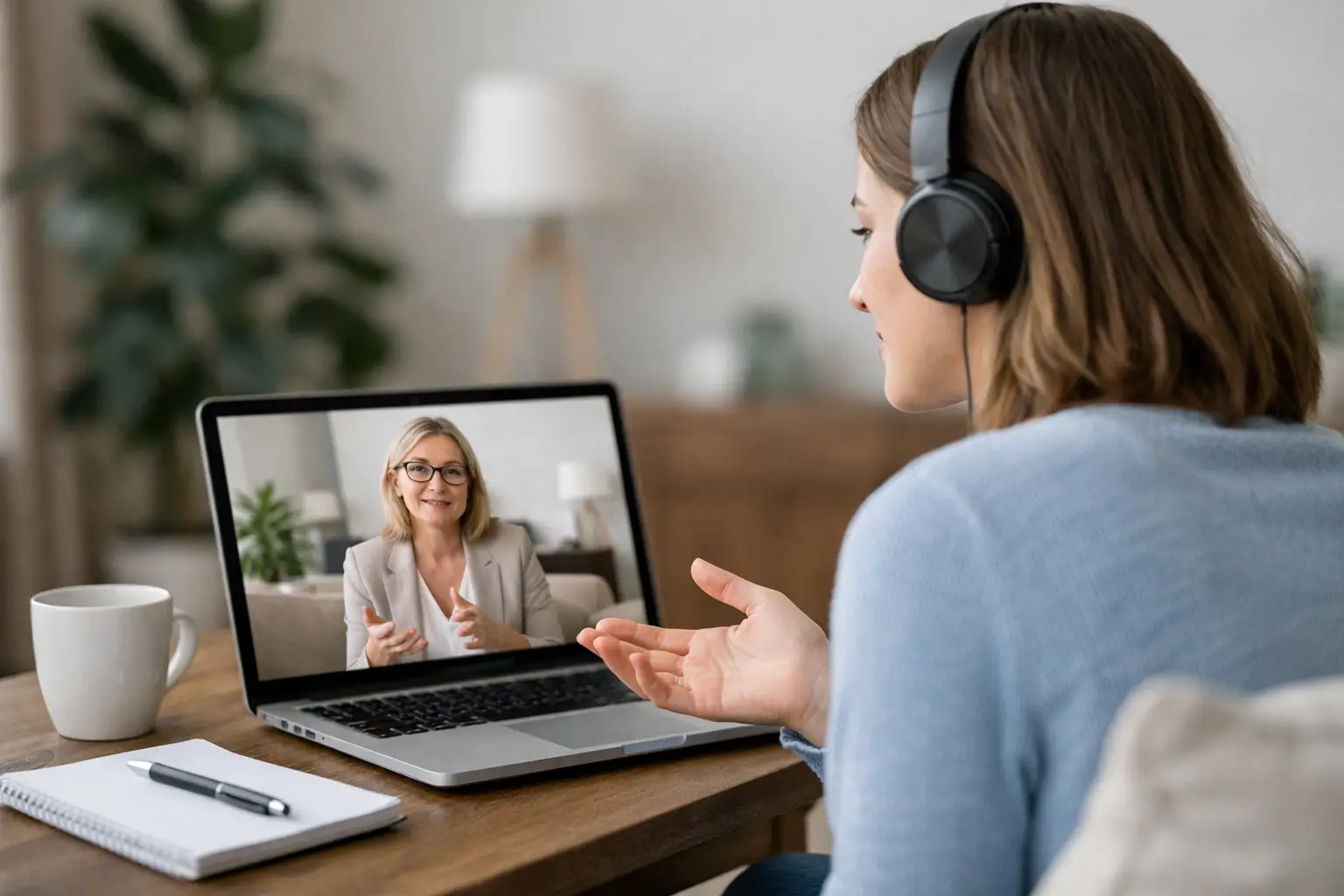
Teletherapy is therapy provided through a secure video platform or, in some cases, by phone. The goal is not to water down counseling or make it feel impersonal. A well-run teletherapy session is still a real therapy session with a licensed clinician who listens carefully, helps you understand patterns, and works with you on practical strategies for relief and long-term healing.
For anxiety treatment, teletherapy often includes the same evidence-based approaches used in person. A therapist may help you identify triggers, notice the thoughts that intensify worry, and build coping tools that make daily life feel more manageable. Depending on your needs, therapy may focus on generalized anxiety, panic attacks, social anxiety, stress related to trauma, health anxiety, or anxiety that shows up in relationships and family life.
The format is different, but the core of therapy stays the same. You still have a confidential space to talk honestly. You still build trust over time. You still work toward feeling more grounded, more capable, and less controlled by fear.
Is online therapy effective for anxiety?
For many people, yes. Teletherapy can be highly effective for anxiety treatment, especially when the client and therapist are a good fit and the person has a private, reliable space for sessions. Research has shown that common therapy approaches for anxiety, including cognitive behavioral therapy, can work well in virtual settings.
That said, effectiveness is not only about the platform. It depends on the quality of the therapeutic relationship, the consistency of care, and whether the treatment approach matches what you are experiencing. Someone dealing with work stress and racing thoughts may respond quickly to structured coping tools. Someone living with longstanding trauma, panic, or intense avoidance may need a slower, more layered process.
There are also situations where teletherapy may not be the best fit on its own. If someone is in immediate crisis, feels unsafe, or has symptoms that require a higher level of care, in-person support or more intensive services may be more appropriate. Good care means being honest about those differences, not pretending one option works for everyone.
Why teletherapy feels more manageable for many clients
Anxiety often creates barriers to getting help in the first place. Some people feel overwhelmed by driving to a new place, sitting in a waiting room, or making room in an already packed schedule. Others have social anxiety that makes leaving home for therapy feel especially difficult. In those cases, teletherapy can lower the threshold enough for someone to finally begin.
Being able to join a session from home can help clients feel safer and more relaxed, especially at the start. That comfort can make it easier to open up. For parents, professionals, caregivers, and people managing multiple responsibilities, virtual appointments can also reduce the stress of logistics. When therapy is easier to attend consistently, progress often becomes more sustainable.
There is another benefit that people do not always expect. Teletherapy allows you to practice coping skills in the environment where your anxiety actually happens. If your stress tends to spike in your home, during family routines, or before online meetings for work, your therapist can help you apply tools in real time and in a setting that is already familiar.
What to expect in your first teletherapy session
The first session usually focuses on understanding what you have been carrying and what kind of support would be most helpful. Your therapist may ask when the anxiety started, how often it shows up, what it feels like in your body, and how it affects work, sleep, relationships, or daily functioning. You may also talk about past therapy, current stressors, health history, and what you hope will feel different over time.
You do not need to show up with perfect words or a clear explanation. Many people begin therapy saying some version of, “I just know I do not feel like myself” or “I am tired of feeling on edge all the time.” That is enough. A skilled therapist will help make sense of what you are experiencing without judgment.
Your therapist should also explain how teletherapy works, review confidentiality, and make sure you feel comfortable with the process. Good therapy is collaborative. You are not being talked at. You are being supported by someone who is there to walk beside you and help you build a plan that feels realistic.
What anxiety treatment may include over time
Teletherapy for anxiety treatment is rarely just about venting. Having space to talk matters, but effective treatment also helps you understand what maintains anxiety and what reduces it.
In practice, that may include learning how anxious thought patterns operate, recognizing physical signs of escalation earlier, and using grounding skills before panic takes over. Your therapist might help you reduce avoidance, set healthier boundaries, improve sleep habits, or work through unresolved experiences that keep your nervous system on high alert. If anxiety is affecting your relationship or family system, treatment may also include communication work and support around conflict, emotional reactivity, or patterns that leave everyone feeling tense.
Progress is not always linear. Some weeks you may feel lighter and more steady. Other weeks may bring setbacks, especially when life gets hard. That does not mean therapy is failing. It often means real work is happening. Anxiety treatment is about building capacity over time, not expecting instant calm.
How to make teletherapy work well at home
A few practical details can make online sessions feel more useful. Privacy matters. If possible, choose a quiet room where you can speak openly without being interrupted. Headphones can help with confidentiality and focus. It is also worth signing in a few minutes early to check your connection and settle in.
Try to treat your appointment like protected time rather than squeezing it in while answering messages or multitasking. Even when therapy happens at home, it deserves your full attention. Many clients also find it helpful to pause for a few minutes after the session instead of jumping straight back into work or chores.
If home is not private or calm, that does not automatically rule teletherapy out. Some people take sessions from a parked car, a private office, or another quiet space. Flexibility is one of the strengths of virtual care, and a therapist can help you think through what setup feels safest and most practical.
Who may benefit most from teletherapy for anxiety treatment
Teletherapy can be a strong option for people who want consistent support but need flexibility. It is often especially helpful for busy adults, parents, college students, people with transportation challenges, and those who feel more comfortable opening up from their own environment. It can also support continuity of care when life changes, schedules shift, or travel makes in-person appointments harder to maintain.
Still, the best choice depends on the person. Some clients simply feel more connected sitting in the same room as their therapist. Others prefer a mix of in-person and virtual sessions when that is available. There is no single right format, only the one that helps you feel safe enough to do the work.
At Cypress Counseling, we understand that starting therapy can feel like a big step, especially when anxiety is already making life feel heavy. Your mental health and well-being are our top priority, and care should feel both accessible and personal from the very beginning.
If anxiety has been running the show lately, you do not have to wait until things get worse to reach out. Support can begin in a way that fits your life, and sometimes the most meaningful first step is simply choosing not to manage it alone anymore.

1 comment on “Teletherapy for Anxiety Treatment: Does It Work?”