When life already feels heavy, getting to therapy should not add another layer of stress. One of the clearest benefits of online counseling is that it makes support easier to reach when you are juggling work, parenting, health concerns, transportation issues, or simply the emotional weight of getting through the week.
Online counseling has become a meaningful option for adults, couples, and families who want professional support without the extra strain of travel and waiting rooms. For many people, teletherapy is not a second-best choice. It is the format that finally makes consistent care possible.
Why the benefits of online counseling matter
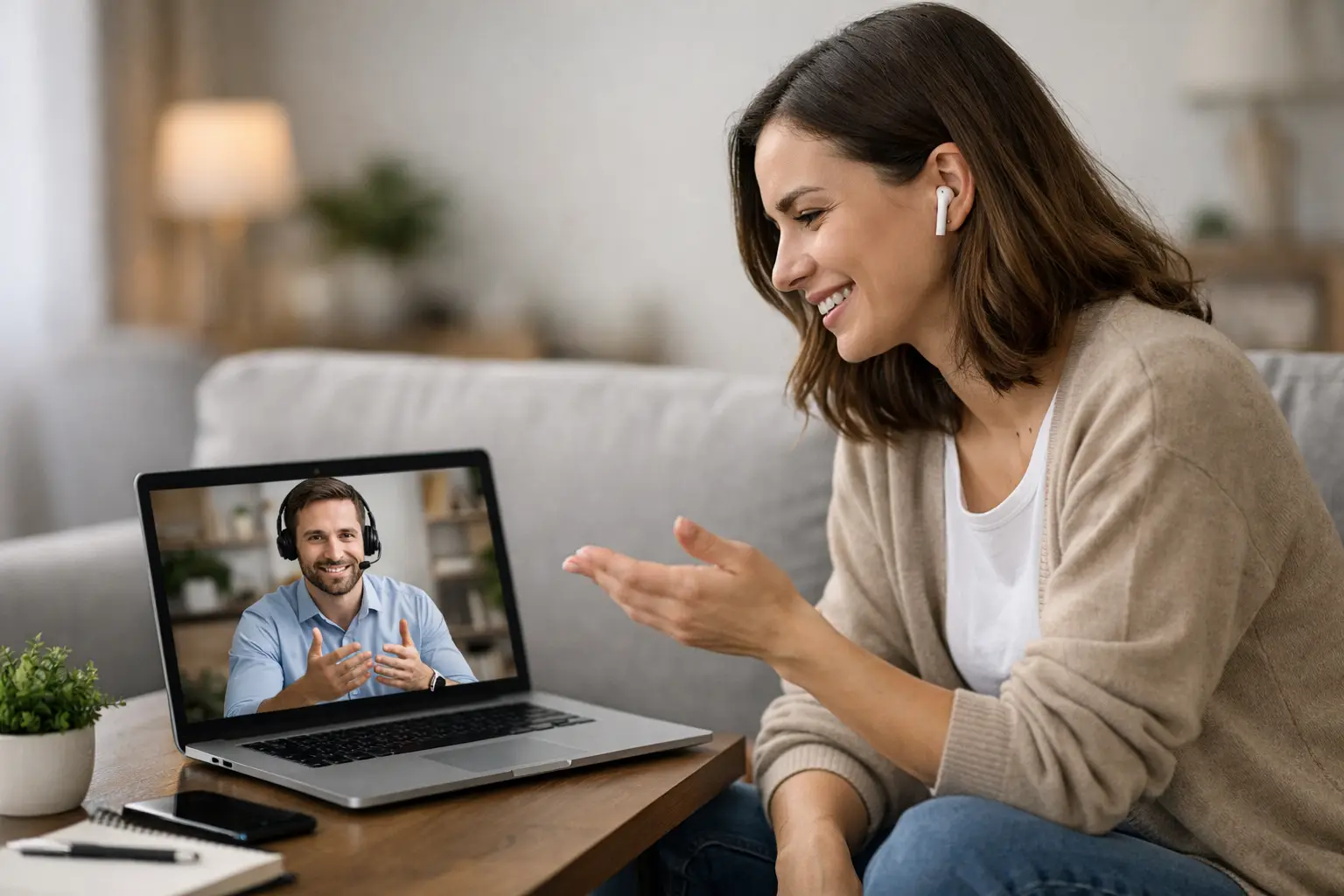
Mental health support works best when it is accessible, consistent, and comfortable enough for you to show up honestly. That is where online counseling can make a real difference. It allows clients to meet with a licensed therapist from home, an office, or another private space, which often removes barriers that delay care.
That matters for people dealing with anxiety, depression, trauma, relationship conflict, family stress, or emotional overwhelm. If attending in-person therapy feels difficult because of distance, scheduling, childcare, mobility, or energy levels, online sessions can create a more realistic path forward.
Convenience can make therapy more consistent
One of the biggest reasons people choose teletherapy is simple: it fits real life better. You do not have to factor in commute time, traffic, parking, or getting across town during a work break. That convenience can be especially helpful for busy parents, professionals, college students, and caregivers who already feel stretched thin.
Consistency matters in counseling. Progress often comes from regular sessions, honest reflection, and the ability to keep going even during stressful seasons. When therapy is easier to attend, people are often more likely to stay engaged long enough to build momentum.
This does not mean convenience solves everything. You still need time, privacy, and emotional readiness. But removing logistical stress can make it easier to protect your appointment and treat therapy as an ongoing part of your well-being.
Online counseling can feel more comfortable for first-time clients
Starting therapy can bring up a lot of uncertainty. Some people worry about what to say. Others feel nervous walking into an unfamiliar office or sitting face-to-face with someone new. Meeting from a familiar environment can lower that initial pressure.
For first-time clients, online counseling can feel like a gentler entry point. You are still doing meaningful clinical work with a licensed therapist, but the setting may help you feel more grounded. Being in your own space can make it easier to open up, especially if anxiety or past experiences have made new situations feel overwhelming.
Comfort does not mean therapy becomes easy. Honest counseling still asks for vulnerability. But sometimes feeling physically at ease helps people begin that process with a little less fear.
Privacy and discretion are important benefits of online counseling
Privacy matters in mental health care. Some clients appreciate that online counseling offers a more discreet way to attend therapy, especially in smaller communities or for people who prefer not to run into someone they know in a waiting room.
A private session from home or another secure location can help people feel more in control of their experience. That sense of control matters, particularly for clients working through trauma, shame, grief, or relationship difficulties.
Of course, privacy still depends on your environment. If your home is busy or shared, you may need to think creatively about where to take your session. Some people use a parked car, a home office, or a quiet room with headphones. The goal is not perfection. It is creating enough privacy to speak freely and safely.
Access to care improves when distance is no longer the barrier
For many people, online therapy expands access in a very practical way. If you live farther from a counseling office, have limited transportation, or struggle with mobility or chronic health concerns, virtual sessions can remove a major obstacle.
This can be especially meaningful in communities where mental health resources may not be close by. Instead of choosing between a long drive and going without support, clients can connect with care in a way that feels more manageable.
Access also improves when therapy can continue during life changes. Illness, temporary travel, family demands, or a packed schedule do not always have to interrupt treatment. That continuity can be valuable when you are working through anxiety, depression, trauma recovery, or relationship stress.
Therapy from home can support emotional regulation
There is something significant about processing hard emotions in a space that already feels familiar. For some clients, being at home helps reduce the activation that can come with discussing painful experiences. You may feel safer talking through anxiety, grief, family conflict, or trauma when you have your own blanket, your own chair, and your own routines nearby.
That comfort can also make the transition after session feel gentler. Rather than driving while emotionally drained or rushing back into public, you may be able to sit quietly, journal, drink water, or take a few minutes to regroup.
That said, home is not calming for everyone. Some people focus better in an office, and some home environments are noisy, stressful, or distracting. The best setting depends on your needs, your relationships, and the kind of support you are seeking.
Online counseling can help couples and families coordinate care
Scheduling therapy for more than one person can be complicated. Couples may be balancing work schedules, parenting responsibilities, and separate obligations. Families may be trying to coordinate multiple calendars at once. Online sessions can make these logistics easier.
When fewer people have to travel and everyone can join from appropriate private locations, it may become more realistic to keep appointments and continue the work. That consistency is often essential when addressing communication problems, family tension, conflict patterns, or trust concerns.
Virtual care is not always ideal for every family dynamic, especially when privacy is limited or younger children need more hands-on support. Still, for many couples and families, teletherapy creates a practical path to showing up together.
Support can be easier to maintain during hard seasons
Mental health challenges do not always arrive at convenient times. Stress can spike during job changes, medical issues, parenting strain, grief, or relationship transitions. During these periods, even small tasks can feel exhausting. Online counseling can reduce the effort it takes to keep receiving support when you need it most.
This is one of the more meaningful benefits of online counseling. It helps preserve continuity of care during seasons when routines are fragile. If getting dressed, driving across town, and sitting in an office feels like too much, logging into a secure session may feel more possible.
Staying connected to therapy during difficult periods can provide structure, coping tools, accountability, and a steady place to process what is happening. Sometimes that steady place is exactly what helps people keep moving forward.
It still offers real clinical support
Some people wonder whether online therapy is as serious or effective as in-person counseling. The answer depends on the concern being treated, the client’s needs, and the quality of the therapeutic relationship. But teletherapy is still real therapy. Licensed clinicians can provide evidence-based treatment, emotional support, coping strategies, and structured interventions through virtual sessions.
For many concerns, including anxiety, depression, stress, life transitions, and some relationship issues, online counseling can be a strong fit. A good therapist will also be honest about when in-person support, a higher level of care, or another service may be more appropriate.
That honesty matters. Good care is not about pushing one format for everyone. It is about helping each person find the kind of support that is safe, effective, and sustainable.
Choosing the right fit matters most
The benefits of online counseling are real, but the best therapy experience depends on fit. Some clients thrive in virtual sessions. Others prefer in-person care or a mix of both. What matters most is whether you feel safe, heard, and supported enough to do meaningful work.
If you are considering teletherapy, think about your privacy, internet reliability, comfort with technology, and what helps you feel most present in conversation. You do not need a perfect setup. You just need a realistic one.
At Cypress Counseling, we understand that reaching out for help is a meaningful step. Whether you are navigating anxiety, depression, trauma, relationship strain, or everyday emotional stress, the right counseling format should make support more accessible, not more difficult.
If online counseling makes it easier for you to begin, that is not a small thing. It may be the first steady step toward feeling more grounded, more supported, and less alone.

1 comment on “10 Benefits of Online Counseling”