
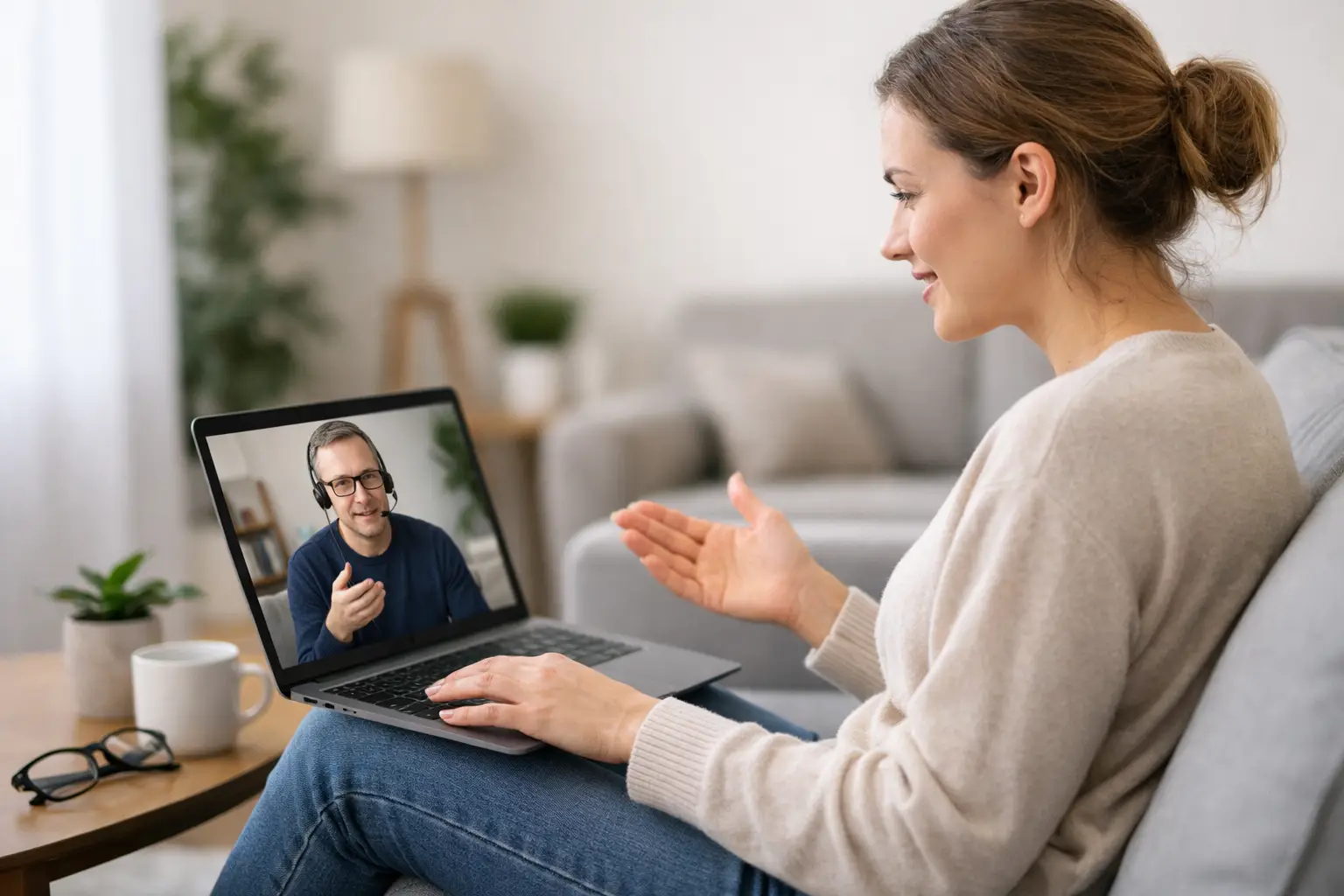
A hard day does not always leave room for a drive across town, a wait in a lobby, and another commitment added to an already full schedule. When you are carrying anxiety, depression, conflict at home, or the effects of trauma, getting support should feel possible. So, can telehealth therapy be effective? For many people, yes. Virtual counseling can provide meaningful, evidence-based care while making it easier to show up consistently.
Telehealth therapy is not a lesser version of therapy. It is therapy delivered through a secure video appointment rather than in the same physical room. The relationship with your therapist, the goals you set together, and the work you do between sessions remain at the center of care. Still, the format is not identical for everyone, and choosing the right setting is part of creating a plan that supports your well-being.
Can Telehealth Therapy Be Effective for Mental Health?
Research and clinical experience show that telehealth can be effective for many common concerns, including anxiety, depression, stress, grief, relationship challenges, and emotional overwhelm. Approaches such as cognitive behavioral therapy, trauma-informed therapy, skills-based counseling, and supportive talk therapy can often be provided effectively through video sessions.
What matters most is not whether you are sitting six feet from your therapist or connecting from your kitchen table. Progress is more closely connected to having a safe therapeutic relationship, a treatment approach that fits your needs, and enough consistency to practice what you are learning. A compassionate therapist can listen closely, help you notice patterns, teach practical coping strategies, and walk beside you through difficult conversations in either setting.
For some clients, telehealth actually removes obstacles that once made therapy hard to maintain. Parents may be able to meet during a child’s nap. Someone with a demanding job may avoid losing additional time to travel. A person who feels anxious in unfamiliar places may find it easier to begin from a familiar space. When appointments are more accessible, regular care can become more realistic.
That does not mean every person will prefer virtual therapy. Effectiveness is personal. Some clients feel more grounded and open in an in-person office, while others appreciate the privacy and flexibility of meeting online. The goal is not to force one format to work for everyone. The goal is to find care that helps you participate fully.
Why the Therapeutic Connection Still Matters Online
A common concern is whether a real connection can develop through a screen. It can. Therapy is built through attentive listening, trust, honesty, and time. A licensed therapist can still notice your tone, expressions, pauses, and emotional responses during a video session. You can still talk through what feels painful, celebrate progress, ask difficult questions, and receive thoughtful feedback.
The first few sessions may feel unfamiliar if you have never used telehealth before. That is normal. Many people are surprised by how quickly the screen fades into the background once the conversation begins. Your therapist should help create a calm, respectful environment and invite feedback if something about the format is getting in the way.
For couples and families, telehealth can also make participation easier when schedules are complicated or family members are in different locations. At the same time, relationship work can involve emotionally intense discussions. Your therapist may recommend in-person sessions when being in the same space would better support communication, safety, or connection.
When Virtual Counseling May Be a Good Fit
Telehealth may be worth considering if transportation, work demands, physical health concerns, caregiving responsibilities, or distance have made therapy difficult to access. It can also be a comfortable starting point for people who are new to counseling and unsure what to expect.
It tends to work best when you have a private place to talk, a dependable internet connection, and a device with a camera and microphone. You do not need a perfect home office. A parked car, a quiet bedroom, or another confidential space may be enough, as long as you can speak freely and feel reasonably comfortable.
Before your appointment, it can help to silence notifications, use headphones if appropriate, and let people around you know you need uninterrupted time. These small steps protect your privacy and allow you to stay present. If privacy is difficult at home because of a partner, family conflict, or another concern, tell your therapist. Together, you can discuss whether a different location, a different appointment time, or in-person care would feel safer.
When In-Person Therapy May Be Better
Telehealth is helpful for many needs, but it is not always the best choice. In-person therapy may be preferable when you do not have a private environment, technology is unreliable, or you simply feel more comfortable talking face-to-face. Some clients find that leaving home and entering a dedicated counseling space helps them focus and mentally prepare for the session.
There are also situations where a higher level of support may be needed. If you are in immediate danger, experiencing thoughts of harming yourself or someone else, or unable to stay safe, a routine telehealth appointment is not the right place to wait for help. Call 911, contact 988 for the Suicide & Crisis Lifeline, or go to the nearest emergency room. Your safety comes first.
For trauma work, severe symptoms, or complex family circumstances, the right format depends on your individual needs and clinical recommendations. A therapist can help you decide whether virtual sessions, in-person sessions, or a combination of both would best support your care.
How to Get More From Telehealth Therapy
The same habits that support in-person counseling can make virtual therapy more meaningful: honesty, curiosity, and a willingness to practice new skills between sessions. You do not need to arrive with the right words or a neatly organized story. You only need a place to begin.
Try to treat your appointment as protected time. Keep a glass of water nearby, jot down thoughts you do not want to forget, and give yourself a few minutes after the session before jumping into the next task. Therapy can bring up strong feelings, even when it is helping. A short pause afterward can make room to reflect on what you discussed and what you want to carry into the week.
It is also okay to talk openly about what is and is not working. If video sessions feel distracting, if you struggle to speak freely at home, or if you would like more structure, let your therapist know. Good therapy is collaborative. Your feedback helps shape care around your needs rather than asking you to fit into a one-size-fits-all process.
A Supportive First Step Can Happen From Home
At Cypress Counseling, we understand that reaching out for support can feel vulnerable. Whether you choose telehealth or in-person counseling, your mental health and well-being are our top priority. Therapy is a place to slow down, make sense of what you are carrying, and build practical tools for daily life and relationships.
You do not have to wait until things feel unbearable to seek support. If virtual therapy would make it easier to begin, it may be the right first step. And if you discover you need the comfort of an in-person setting, that preference is valid, too. The most helpful path is the one that gives you a safe place to be heard and a steady source of care as you move toward healing.
