
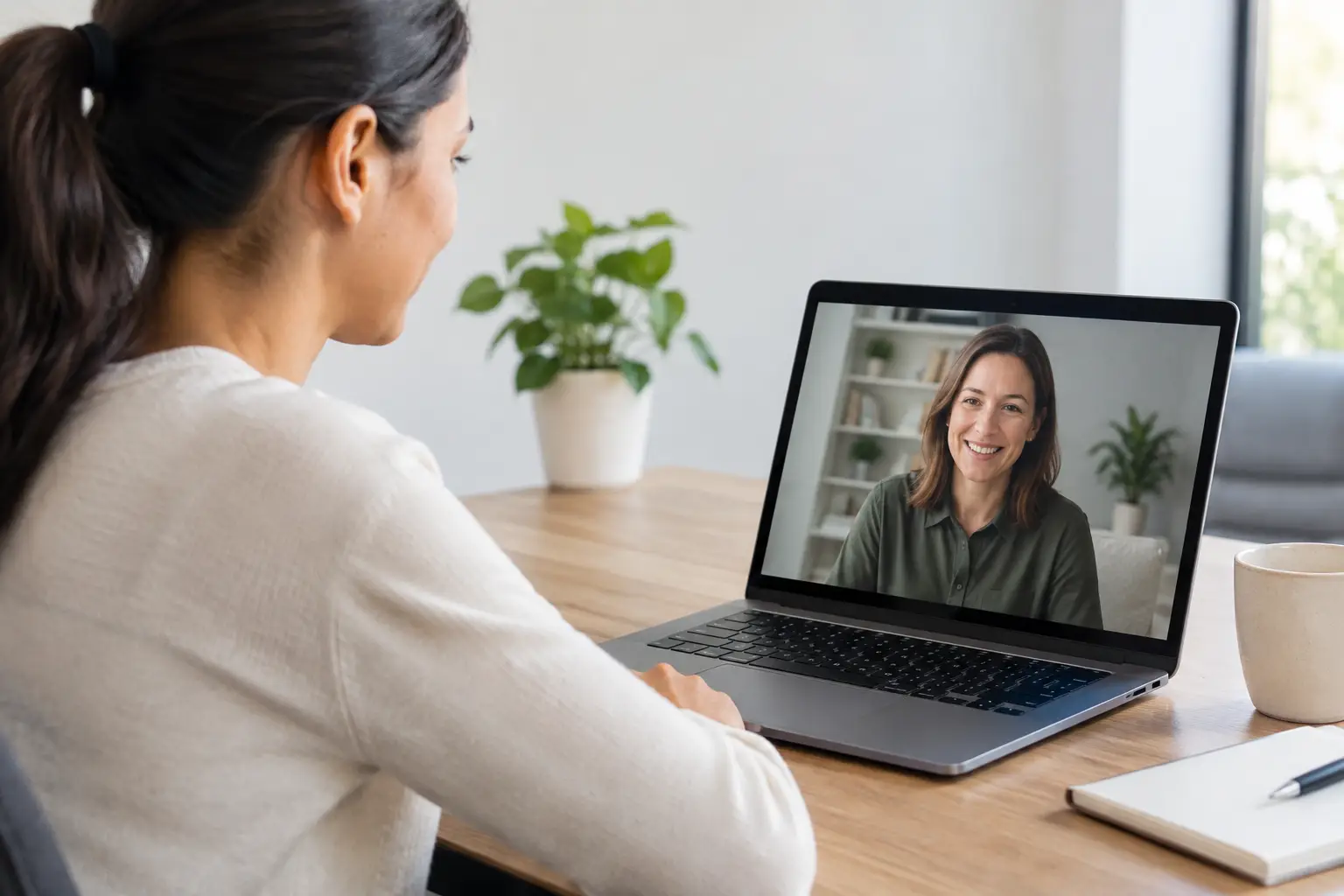
A therapy appointment may happen from your kitchen table, parked car, or a quiet corner of your bedroom, but the care you receive should still feel protected. Are virtual therapy sessions private? In most cases, yes. Licensed therapists take confidentiality seriously whether you meet in an office or through a secure video platform. Still, privacy in teletherapy has two parts: the safeguards your provider uses and the environment available to you.
For many people, virtual therapy offers meaningful access to support when travel, work, family responsibilities, illness, or distance make an in-person appointment harder. Understanding how privacy works can help you decide whether teletherapy feels right for you and prepare for sessions with greater peace of mind.
What confidentiality means in virtual therapy
Confidentiality means that what you share in therapy is protected. Your therapist does not discuss your personal information, session details, or treatment without your written permission, except in limited circumstances required by law or necessary to help keep someone safe.
Those limits are generally the same for in-person and virtual therapy. For example, a therapist may need to take action if there is an immediate risk of serious harm to you or someone else, or when abuse or neglect of a child, older adult, or vulnerable person must be reported. Your therapist should explain confidentiality and its limits before treatment begins, and you can always ask questions if something is unclear.
Virtual care does not make your conversation less confidential. A licensed provider is still responsible for protecting your health information and maintaining appropriate professional boundaries. The difference is that technology and your physical surroundings become part of the privacy plan.
Are virtual therapy sessions private on a video platform?
A reputable counseling practice uses technology designed for health care communication rather than relying on a casual video call. These platforms use security measures intended to protect information while it is transmitted, and practices should have appropriate agreements and policies in place for the technology they use.
No digital system can promise zero risk. Email accounts can be accessed, devices can be lost, and public Wi-Fi can be less secure than a password-protected home network. But a secure teletherapy platform, used thoughtfully, can provide a strong level of protection for counseling sessions.
It is also reasonable to ask practical questions before your first appointment. You may want to know what platform will be used, how you will receive the appointment link, whether sessions are recorded, and how the practice handles messages, billing information, and clinical records. In most therapy settings, sessions are not recorded unless you have been clearly informed and have given permission.
Privacy also includes who can access your information within the practice. Your therapist may consult with a supervisor or treatment team when clinically appropriate, following professional privacy standards. Administrative staff may need limited information to schedule appointments, confirm insurance, or manage billing. That is different from sharing your therapy content freely, and it should be handled with care.
Your location matters as much as the technology
Even with a secure platform, a teletherapy session is only as private as the space around you. This is often the biggest concern for people who live with a partner, children, parents, roommates, or extended family. If someone can hear you through a thin wall or walk in unexpectedly, you may hold back from discussing what is really on your mind.
That does not mean virtual therapy is off the table. It means planning your setting deserves the same attention as scheduling your appointment. A private room with the door closed is ideal, but it is not the only option. Some clients use headphones and a white-noise machine outside the door. Others sit in a parked car in a safe, private location or arrange a time when others are away from home.
A therapist can also work with you at the beginning of a session to confirm whether you are alone and comfortable speaking freely. If privacy changes suddenly, such as a family member entering the room, you can say that you need to pause, switch topics, use the chat feature if available, or end the session and reschedule. You do not have to explain personal details in front of anyone.
Simple ways to make teletherapy more private
A few small choices can make a real difference in how safe and focused a virtual appointment feels:
- Use a personal device that has a passcode, fingerprint lock, or secure login.
- Join from a private, password-protected internet connection when possible instead of public Wi-Fi.
- Wear headphones so the therapist’s voice cannot be overheard by people nearby.
- Let household members know you have an appointment and need uninterrupted time, without feeling obligated to say it is therapy.
- Turn off smart speakers or move to another room if you are concerned they may pick up parts of the conversation.
If you share a device with someone else, log out after your appointment and be mindful of notifications, calendars, or email previews that might reveal more than you want others to see. These are not reasons to feel anxious about teletherapy. They are practical steps that give you more control over your space.
What happens if the connection fails?
Technology problems are frustrating, especially when you are discussing something emotionally difficult. Before teletherapy begins, your provider should explain a backup plan. Often, this includes calling you by phone, reconnecting through the platform, or rescheduling if privacy and connection quality cannot be restored.
Make sure your therapist has the best phone number for you and knows where you will generally be during the appointment. This is especially relevant when you are working through trauma, severe depression, intense anxiety, or a crisis concern. A clear plan helps your therapist respond appropriately if a session disconnects after a difficult conversation.
You can also tell your therapist if phone calls or voicemail messages are not private for you. For example, you may prefer a discreet appointment reminder or may not want detailed messages left where another person could hear them. Good therapy is collaborative, and communication preferences are part of your care.
When in-person therapy may feel like a better fit
Teletherapy is not the best choice for every person or every situation. Some clients simply feel more present and emotionally comfortable in an office. Others do not have a consistently private space, reliable internet, or a safe setting from which to speak openly. Couples and family therapy can be more complicated when participants join from different locations or when one person is worried about being overheard.
There can also be times when your therapist recommends in-person care because of safety concerns, the intensity of symptoms, or the type of support you need. That recommendation is not a failure of virtual therapy. It is an effort to match care with what will support your well-being most effectively.
At Cypress Counseling, clients can discuss whether teletherapy, in-person counseling, or a combination of both best fits their needs. The goal is not to force care into one format. It is to create a setting where you can speak honestly, feel respected, and receive the support you need.
Privacy begins with a conversation
If you are hesitant to start therapy because you are worried about who might hear, what happens to your information, or whether a video session can truly be confidential, bring those concerns up early. You deserve clear answers, not pressure to proceed before you feel comfortable.
Your mental health and well-being deserve a space that feels safe enough for honesty. With a qualified therapist, secure communication practices, and a plan for your own surroundings, virtual therapy can be a private and meaningful place to begin working through what is weighing on you.

1 comment on “Are Virtual Therapy Sessions Private and Secure?”